Gopher Tortoises Face Threat from Development Boom - The Gabber Newspaper

Cathy Salustri
If you're new to Florida, you may think "gopher" refers to that furry little, burrowing rodent. But here, we usually mean our native tortoise, Gopherus polyphemus, or gophers.
These long-lived critters inhabit piney flatlands in Florida, areas coveted by developers who see the land as perfect for new subdivisions. Gophers have lived in these undisturbed areas for millennia, but now they're being evicted, and, just like humans seeking affordable housing, they're facing a tough time relocating.
New Relocation Guidelines
"In 2007 Florida Fish and Wildlife (FWC) made it illegal to bury tortoises," said Elise Bennett at the Center for Biological Diversity (CBD) in St. Petersburg. "but until then, it allowed the gophers to be buried alive in their burrows."
The current concern is a new temporary executive order from the FWC that suspends parts of Florida's gopher tortoise relocation guidelines. Critics say it favors developers and doesn't help the gophers.
"It's not good for gophers," said George Heinrich, Executive Director of the Florida Turtle Conservation Trust. "They often want to go back, especially if the new location is only a mile or two; there's the possibility of disease – and it's just disruptive."
Heinrich, who tracks the gophers at Boyd Hill Nature Preserve in South St. Pete, has studied these tortoises for more than 30 years, (10 as a park ranger) and is considered an authority.
"Gophers are social, and live in communities with multiple burrows," he explained. "The males fight, and they actually communicate with a language we can't hear."
Heinrich said this language, a sort of clicking sound, can be detected with special equipment.
Tortoise Habitat in Decline
The tortoises have already lost more than 80% of their natural habitat to sprawl and agriculture, leaving the remaining fragmented habitat scattered across the species' range. One of the main issues with the altered relocation guidelines is the distance, which increases from 50 miles to 100.
"That's a big concern," said Bennett, "because that means another climate they may not be used to and they won't thrive."
And they're allowing "temporary" relocation, which means they expect to move them again. Last year, the FWC asked people to offer land to house tortoise communities due to lack of suitable habitat.

Cathy Salustri
Gopher Tortoises a Keystone Species
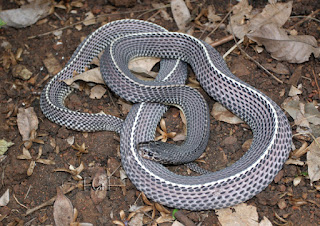
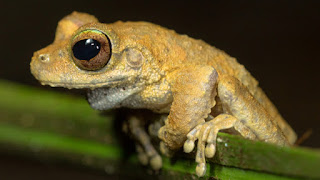
Lest you write gophers off as just another critter, understand they're considered a "keystone" species, and the FWC says their burrows, which can be 15 feet long and six feet deep, provide "temporary or permanent refuge" for as many as 350 to 400 species, even if the gopher tortoise is home. These tenants include gopher frogs, several species of snakes – including some species of concern, such as the eastern indigo snake, and burrowing owls.
In April, 2021, the CBD sued the U.S. Fish and Wildlife Service for failing to designate the tortoise as endangered, despite admitting they needed the governmental protective status.
"We've been trying to get endangered status for gopher tortoises for a long time," said Bennett. "The new temporary order doesn't consider how much space a tortoise community needs…it's against expert advice."
Visit the Gophers at Boyd Hill
Meanwhile, Heinrich is in the middle of the biennial gopher tortoise census at Boyd Hill, where about 100 trained volunteers comb the park's 150 acres to assess the community's health.
"We count them every two years," he said. "They like the upland habitat, and you spot the burrows by a mound of sand with a hole…a large adult can have a nearly 10-inch opening."
But don't ever stick your hand in a burrow, he cautioned, because you never know what's inside. Rattlesnakes also use the burrows as homes.
There are occasional solitary burrows but they're rare.
"There was a burrow on the St. Pete side of Clam Bayou about 10 years ago, but it's been gone a while," said Heinrich. "Some people like to hurt them, but it's illegal."
Though gopher tortoise communities are sparse in overdeveloped Pinellas County, you can find them at Boyd Hill, Weedon Island, and at Brooker Creek in north county. Off shore, you can find them on Egmont Key.
More info and activities for kids.
Team Gabber brought back the print version of the newspaper, and we've redesigned our website to make it easier for you to get the news. We're not out of the woods yet, and every little bit helps pay our reporters, printer, and other expenses. Support local news and families — donate now to keep The Gabber Newspaper serving the community it loves!
Comments
Post a Comment